Summary
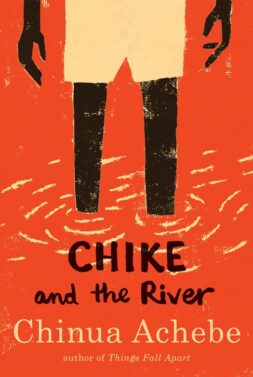
Chike and the River is a children’s novel about an eleven-year-old boy named Chike who leaves his rural village of Umuofia to live with his strict uncle in the bustling city of Onitsha, on the banks of the Niger River. Initially thrilled by the city’s modern wonders such as tap water and iron roofs Chike soon faces loneliness and homesickness. His greatest ambition becomes to cross the Niger River by ferry to the town of Asaba, a trip that costs one shilling.
Despite his mother’s warning to stay away from the river, Chike is determined. He has no money, and several misadventures follow: he is nearly caught up in a school scandal involving begging for money from English pen pals, loses his savings to a fake “money-doubler” magician, and damages a borrowed bicycle, leading to a chase through town. Finally, on a public holiday while his uncle is away, Chike earns a shilling by washing a wealthy man’s car. He takes the ferry to Asaba, but upon arrival he is disappointed to find it less impressive than Onitsha.
Chike misses the last ferry back and is stranded. Desperate, he hides inside an old lorry called “S.M.O.G. No. 1” for the night. He overhears a gang of thieves, including a trusted night-watchman, planning a robbery. When they discover him, he escapes and hides in a sentry-box. The next morning, he bravely exposes the night-watchman as an accomplice, leading to the thieves’ arrest. Chike becomes a local hero and is rewarded with a scholarship for secondary school. The story concludes with the revelation that the leader of the thieves was Mr. Peter Nwaba, his uncle’s miserly, hypocritical neighbor.
Plot
1. Exposition: Chike leaves his village of Umuofia for Onitsha to live with his strict, wealthy uncle. He is fascinated by city life but struggles with his uncle’s rules.
2. Inciting Incident: Chike’s friend, Samuel (S.M.O.G.), tells him about the ferry to Asaba, and Chike becomes obsessed with crossing the Niger River for one shilling.
3. Rising Action:
– Chike asks his uncle for the shilling and is refused.
– He narrowly avoids participating in a school scandal where boys beg for money from English pen pals.
– He finds a sixpence and tries to double it but is swindled by a fake magician, Chandus.
– Chike damages a borrowed bicycle and escapes by distracting the mechanic.
– He attempts to befriend the miserly Mr. Nwaba in hopes of getting money but only receives three groundnuts.
4. Climax: On a holiday, Chike earns one shilling by washing a car, takes the ferry to Asaba, but misses the last boat back. He hides in a lorry and overhears a robbery plot. When discovered, he escapes into a sentry-box.
5. Falling Action: The next morning, Chike sees the night-watchman tied up, pretending to be a victim. Chike courageously exposes him as a thief to the gathered crowd and police.
6. Resolution: The thieves (including Mr. Nwaba) are arrested. Chike becomes a hero, receives his photograph in the newspaper, and is awarded a scholarship for secondary school.
Setting
– Primary Locations: The village of Umuofia (rural, traditional, safe) and the city of Onitsha (urban, modern, but full of strangers, danger, and opportunity).
– Specific Places: The banks of the River Niger, the Onitsha market, the ferryboat, the school, Chandus’s shack, the mechanic’s shop, and Asaba town.
– Time period: Mid-20th century Nigeria (published 1966), during a time of rapid modernization (building of a bridge, cars, radios, colonial influence).
Themes
– Innocence vs. Experience: Chike’s journey from a sheltered village to a complex city where he encounters thieves, swindlers, and hypocrites.
– Persistence & Ambition: Chike never gives up on his dream of crossing the river, which ultimately leads to his success.
– The Breakdown of Traditional Values: Contrasts the communal, honest life of Umuofia with the anonymous, often corrupt life in Onitsha (e.g., Mr. Nwaba going to church but stealing at night).
– The Danger of Get-Rich-Quick Schemes: Through Chandus (money-doubler) and the pen-friend scandal, the story warns against easy wealth and dishonesty.
– Courage & Truthfulness: Chike’s bravery in exposing the thieves, despite his fear, is rewarded.
– Social Class and Morality: Shows that wealth does not equal virtue (the miserly Mr. Nwaba) and poverty does not equal dishonesty.
Characters
Major Characters
– Chike (Chiks The Boy): An 11-year-old boy from Umuofia. Curious, determined, and brave, but also naive and prone to straying from rules. He is the hero who learns that courage and honesty pay off.
– Samuel (S.M.O.G. – Save Me O God): Chike’s best friend in Onitsha. Confident, street-smart, and a good footballer. He introduces Chike to the idea of crossing the river and to the money-doubler. He is a loyal but mischievous friend.
Minor Characters
– Chike’s Mother: A hardworking widow who warns Chike about the dangers of the city and the river. Represents traditional wisdom and love.
– Chike’s Uncle: A strict, silent, unmarried clerk who forbids Chike from playing and refuses him the shilling. He is not evil but is unaffectionate.
– Mr. Peter Nwaba: The miserly, hypocritical neighbor. He is very rich but lives in squalor, beats his wife, and is secretly the leader of the thieves. He is the main antagonist.
– Ezekiel (Tough Boy / Leopard Skin): A spoiled, dishonest boy who steals from his mother and tries to scam English pen pals. He serves as a negative example for Chike.
– Chandus (Professor Chandus): A fake magician and swindler who takes Chike’s threepence and gives him a useless wire ring.
– The Mechanic (Doctor of Bicycles): The bicycle repairman who hires out bikes. He is angry but comical in his pursuit of Chike.
– The Night-Watchman: An accomplice to the thieves who pretends to be a victim. He represents deception and cowardice.
Literary Devices
Proverbs & Sayings: Used frequently to teach moral lessons and reflect Igbo culture.
– “Time and tide wait for no man.” (Teacher’s saying)
– “All work and no play makes Jack a dull boy.” (Chike’s justification)
– “A poor man should not dream of rice.” (Chike’s mother)
– “Why should we live by the River Niger and then wash our hands with spittle?” (S.M.O.G., meaning to seize opportunity)
Foreshadowing:
– Chike’s mother warns him not to go near the river, foreshadowing his dangerous adventure.
– Chike sees Mr. Nwaba returning late at night with a strange man, foreshadowing his role as a thief.
Irony:
– Situational Irony: The miserly Mr. Nwaba, who is very religious, is secretly a criminal.
– Dramatic Irony: The reader knows Chike is hiding in the lorry while the thieves plan their crime.
Symbolism:
– The River Niger: Represents adventure, the unknown, and a rite of passage into adulthood.
– The Ferryboat: Symbolizes opportunity and the journey between childhood and maturity.
– The Sixpence (and later Shilling): Represent agency, independence, and the ability to make one’s own choices.
– S.M.O.G. (Save Me O God): The nickname is ironic; Samuel uses it for luck, but Chike hides in a lorry with that name, which ultimately “saves” him by allowing him to hear the thieves’ plot.
Imagery: Vivid descriptions of the filthy latrines (“swarmed with flies bigger than any Chike had ever seen”), the preparation of suya (meat cooked over an open fire), and the ferryboat’s departure (siren, bell, engine sound).
Humor: Used to lighten serious moments, such as the boys falling for the headmaster’s “Abraham” trap and the mechanic running into the market woman.