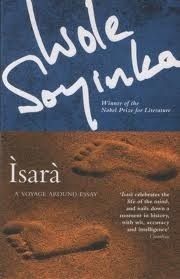
Summary
The narrative is a fictionalized biographical reconstruction of the life of Wole Soyinka’s father, Akinyode Soditan (referred to by the nickname “Essay”), and his circle of friends known as the “ex-Iles”. Set in colonial Nigeria, the book explores the robust lives of this Western-educated elite as they navigate an intense quest for a place in a changing global order. The story follows their intellectual pursuits, business ventures, and personal struggles while maintaining deep ties to their natal soil, the community of Isara. It captures a specific fifteen-year period during which the patterns of their lives were set under the compelling impact of local and global events, including the colonial presence and the looming threat of World War II.
Plot
The plot focuses on several interconnected threads:
- The Intellectual Voyage: Akinyode, a dedicated schoolteacher in Abeokuta, maintains a long-distance correspondence with an American pen pal, Wade Cudeback, from Ashtabula, Ohio. Through these letters, Akinyode explores alien worlds and compares the history and geography of America and Canada with his own Yoruba heritage.
- The Business Ventures: Sipe Efuape, a restless entrepreneur, constantly tries to persuade the cautious Akinyode and the other “ex-Iles” to invest in “bold new plans,” ranging from Italian clothing imports to patent medicine.
- The Succession Crisis: The death of the Odemo (King) of Isara triggers a political battle. The Olisa faction (traditional/regent) illegally installs a candidate, leading the progressive Jagun faction to organize a counter-movement to install their own candidate, the trade unionist S.A. Akinsanya (“Saaki”).
- The Climax: The conflict reaches a head with the death of the ancient warrior Agunrin Odubona, whose passing breaks the influence of the traditionalist faction. The story concludes with the triumphant “homecoming” of Akinsanya as the new Odemo and the physical arrival of Wade Cudeback in Isara to meet his pen pal.
Setting
- Geographic: The primary settings include the town of Isara (the ancestral home), Abeokuta (where Akinyode teaches), Lagos (the hub of business and politics), Epe (where Sipe works as a tax inspector), and Ilesa (the site of the St. Simeon’s Teacher Training Seminary).
- Temporal: The story takes place during the Nigerian colonial period, specifically covering approximately fifteen years leading into World War II.
- Cultural: The setting is defined by a hybrid of traditional Yoruba customs (oracle consultations, masquerades, and communal rites) and Western colonial influence (churches, mission schools, and the railway).
Themes
- Tradition vs. Modernity: The “ex-Iles” struggle to reconcile their Western education and professional roles with the traditional expectations and “extended family demands” of their hometown.
- Identity and Dispersal: The concept of being an “ex-Ile”—those who have dispersed from Isara to find success but are expected to eventually “return to sender” (home) to fulfill the hopes of their natal soil.
- The Impact of Colonialism: The narrative highlights the “uneasy love-hate relationship” with the colonial presence and the ambiguous status of the Western-educated elite.
- The Pursuit of Success: This is explored through Akinyode’s educational mission and Sipe’s drive for “independent means” to escape the “drudgery of salaried work”.
- Mortality and Legacy: The text is a tribute to a vanishing generation, framed by the deaths of “Essay” and the ancient Agunrin, emphasizing the role they played in developing “present-day Nigerian minds”.
Characters
Major Characters
- Akinyode Soditan (“Essay”): A disciplined, methodical schoolteacher and intellectual who serves as the central figure.
- Sipe Efuape (“Resolute Rooster”): An ambitious, flamboyant, and risk-taking businessman who constantly pushes his friends toward financial independence.
- S.A. Akinsanya (“Saaki”): A fiery trade unionist and political leader in Lagos who is ultimately chosen to become the Odemo of Isara.
- Josiah: Akinyode’s father, a Christian convert and church elder who remains deeply involved in traditional Isara politics and family matters.
- Jagun: A powerful traditional elder and friend of Josiah who acts as a key kingmaker and spiritual guide in Isara.
Minor Characters
- Wade Cudeback: Akinyode’s American pen pal from Ashtabula whose letters provoke much of Akinyode’s geographical and historical reflection.
- Mariam: Akinyode’s mother, a petty trader who balances Christian faith with traditional healing practices.
- Osibo (“Genie of the Bottle”): The fastidious neighborhood pharmacist and member of the ex-Iles circle.
- Wemuja (formerly Damian): A farmhand who becomes a flamboyant lorry driver and equerry for Akinsanya.
- Agunrin Odubona: An ancient warrior over a hundred years old whose memory and eventual death are pivotal to the succession crisis.
- Morola: Akinyode’s wife, whose health struggles and pregnancies are a constant concern for him.
- Sotikare: A court clerk in Lagos and member of the ex-Iles who initially opposes Akinsanya’s candidacy on the grounds that it is “primitive”.
Literary Devices
- Epistolary Elements: The story is largely built around the contents of a “tin box” containing letters, journals, and jottings, which drive the plot and reveal character motivations.
- Metaphor:
- “Ashtabula” becomes a metaphor for the unattainable or exotic worlds the characters dream of.
- Sipe is metaphorically dubbed the “Resolute Rooster” to reflect his bold, pioneering nature.
- Imagery: Soyinka uses vivid imagery to contrast the “red dust” and “rust of corrugated roofs” of Isara with the “lushness of the valley” and the “shimmering vistas” of Sipe’s catalogues.
- Flashbacks: The narrative utilizes “ruptured” chronology to flesh out backstories, such as Damian’s flight from Benin and his transition into Wemuja.
- Satire and Humor: The author employs gentle satire regarding the colonial education system (e.g., the “tedi” variation on the school marching song) and the pretensions of the “been-to” elite.
- Foreshadowing: Jagun’s early warnings about the Odemo succession and his withdrawal into seclusion foreshadow the death of Agunrin Odubona.