Summary
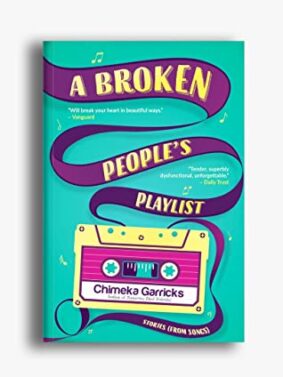
A Broken People’s Playlist is a collection of twelve interconnected short stories set primarily in Port Harcourt, Nigeria. The author, Chimeka Garricks, wrote the collection following a period of writer’s block, using music as a “kernel” for his creativity. Each story is titled after and “written under the influence” of a specific song, ranging from tracks by Adam Levine and Marvin Gaye to Brymo and U2. The book explores the lives of various characters who are “broken” by grief, trauma, or their own mistakes, as they seek redemption, forgiveness, and connection. Many characters reappear across different stories, creating a shared universe where their personal tragedies and triumphs intersect.
Plot (Selected Stories)
- “Lost Stars”: Sira, a lawyer, reflects on her lifelong, complicated relationship with her best friend Kaodini. Just as they finally decide to marry and Kaodini arranges to move to Lagos to be with her, he is killed in a motorcycle accident in Port Harcourt.
- “Music”: Tukwashi (TT) grows up in a household fractured by his father’s blatant infidelity. He finds an escape through music, eventually becoming a DJ and confronting his father at a high-society party to demand money for his education.
- “Hurt”: Priye manages the terminal illness of his younger brother, Dami, who lived a life of drug abuse and domestic violence. Dami insists on holding a “living funeral” so he can hear what people say about him before he dies.
- “In the City”: In a tragic narrative of corruption, a superstitious policeman named Enenche chases a drug dealer but accidentally arrests Godson, an innocent hairdresser. When the police discover Godson is gay through videos on his phone, they decide to kill him and frame him for an armed robbery.
- “Beautiful War”: The marriage between Kenwi and Wobia disintegrates after Kenwi confesses to an affair with a coworker named Tamara. Despite their shared history from childhood, Wobia decides she can no longer be with him.
- “River”: A narrator grapples with the permanent grief of losing his best friend, Jon, who was killed in a campus “confra” (cult) hit during their university years. The story critiques the toxic masculinity and violence of Nigerian cult culture.
- “You Suppose Know”: Dr. Deola treats an elderly couple, the Ngofas, who have a deeply devoted but bickering relationship. The plot follows the sudden death of Mrs. Ngofa and the rapid physical and emotional decline of her husband, who “doesn’t know how to live without her”.
Setting
The stories are predominantly set in Port Harcourt, a city in the Niger Delta region of Nigeria. Specific locations within the city include D/Line, Old GRA, Borokiri, and Asiama Waterside. Several narratives also mention the University of Port Harcourt (UniPort). The timeframes shift between the 1990s notably during the height of university cult wars and more contemporary periods like 2013 and 2018.
Themes
- Brokenness and Redemption: The central theme is the search for a way to fill “the God-sized hole” in the human soul through love, family, or forgiveness.
- Grief and Loss: Characters frequently struggle with the sudden or lingering death of loved ones, exploring “ungrieved grief” and the long-term impact of loss.
- Betrayal and Infidelity: Many stories center on the breakdown of trust, whether through marital affairs or the betrayal of the public by corrupt institutions like the police.
- Fatherhood and “Daddy Issues”: The source material emphasizes how absent or problematic fathers shape the identities and traumas of their children.
- Brotherhood and Friendship: The stories highlight intense bonds between siblings and friends that often serve as a “home” even when biological families fail.
Characters
Major Characters
- Sira: A successful lawyer in Lagos who loses her soulmate just as they find a way to be together.
- Tukwashi (TT): A talented DJ who uses music to navigate his family’s dysfunction and eventually finds professional success.
- Priye Kuruye-Briggs: The responsible older brother who manages the family oil-service company and cares for his dying brother.
- Ukela Benson: An architect with a history of self-harm and “daddy issues” who finds a redemptive friendship with Jolomi.
- Tonse Ngofa: An OB/GYN doctor who acts as a recurring figure, appearing as a friend to Buddha and Alex and as a devoted son to the elderly Ngofas.
- Wobia: A woman who chooses her own sanity and leaves her husband after his infidelity.
Minor Characters
- Kaodini: Sira’s best friend and lover, a farmer who dies prematurely.
- Dami: Priye’s reckless, abusive brother who seek’s closure through a living funeral.
- Godson: A gentle, talented hairdresser whose life is cut short by police brutality.
- Enenche: A policeman struggling with nightmares and superstition.
- Buddha (Ebuka): A man who believes his wife “jazzed” him with erectile dysfunction to stop his cheating.
- Jolomi: A recovering alcoholic who provides Ukela with the emotional honesty she lacks.
Literary Devices
- Intertextuality: Each story is deeply tied to a specific song, using lyrics and musical themes as structural and emotional anchors.
- First-Person Point of View: Many stories utilize an intimate first-person narrative, such as Sira’s address to Kaodini in “Lost Stars” or Tukwashi’s recollections in “Music”.
- Flashbacks: The narrative structure relies heavily on non-linear storytelling to reveal past traumas, such as the narrator’s history with “confra” in university.
- Symbolism: Music is used as a symbol of “home” and emotional sanctuary. The “shoebox” in “I’d Die Without You” serves as a poignant symbol for a lost child.
- Irony: Tragic irony is used effectively, notably in “In the City,” where a young man is killed for being “the wrong boy” in more ways than one.
- Magical Realism/Cultural Beliefs: The stories incorporate local beliefs in “jazz” (magic), “mami-water” (mermaids), and “magun” as literal or psychological realities for the characters.