
Summary
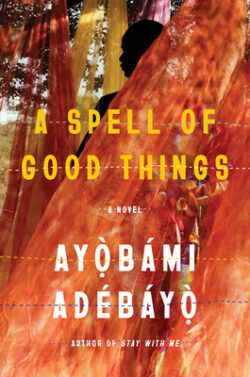
A Spell of Good Things is a tragic exploration of class disparity, political corruption, and the fragile nature of social stability in modern-day Nigeria. The novel follows two primary protagonists from vastly different worlds: Wúràọlá, a young doctor from a wealthy, influential family, and Ẹniọlá, a teenager whose family has spiraled into extreme poverty after his father, a history teacher, was suddenly retrenched by the government.
Wúràọlá’s world is defined by “good things” fine jewelry, political connections, and the expectation of a prestigious marriage to Kúnlé Coker, the son of a prospective governor. However, beneath this veneer of success, she suffers physical and emotional abuse from Kúnlé and faces intense pressure from her mother, Yèyé, to secure her social standing through marriage.
Ẹniọlá’s world is one of desperation. As his parents struggle to pay for basic needs, rent, and school fees, Ẹniọlá is forced to beg on the streets and eventually falls into the orbit of a corrupt politician, Honourable Fẹ̀sọ̀jaiyé. The two worlds collide violently when political thuggery results in a kidnapping and arson that destroys the lives of both families, illustrating that the “spell” of good fortune is easily broken by the systemic rot of the society they inhabit.
Plot
- The Descent of Ẹniọlá’s Family: After Bùsúyì (Ẹniọlá’s father) loses his job, the family moves from a comfortable flat to a single room. They sell their belongings and eventually resort to begging outside churches, where Ẹniọlá is recognized by Wúràọlá’s family, the Mákinwás.
- Wúràọlá’s Engagement and Abuse: Wúràọlá works exhausting hours as a house officer while being courted by Kúnlé Coker. Kúnlé proposes publicly, and despite his growing jealousy and physical violence including slapping her in front of her sister Mọ́tárá and later nearly strangling her Wúràọlá proceeds with the “introduction” ceremony to please her family.
- The Political Intersection: Kúnlé’s father, Professor Coker, decides to run for governor, funded by Wúràọlá’s father, Ọ̀túnba Mákinwá. This puts them in direct opposition to Honourable Fẹ̀sọ̀jaiyé.
- The Turn to Thuggery: Ẹniọlá, desperate for school fees and feeling betrayed that his parents prioritized his sister Bùsọ́lá’s education over his, joins Fẹ̀sọ̀jaiyé’s “boys” for food and money.
- The Climax: Honourable Fẹ̀sọ̀jaiyé sends his thugs, including Ẹniọlá, to the Mákinwá home to send a “warning” to Professor Coker. The thugs burn the house, steal gold, and kidnap Ọ̀túnba. During the getaway, Ẹniọlá tries to defend Ọ̀túnba and flees the bus. In retaliation and to ensure silence, the thugs kidnap Ẹniọlá’s sister, Bùsọ́lá, from their home.
- The Tragic Ending: Wúràọlá finds her father’s body in the morgue; he has been murdered. Beside him is the body of Bùsọ́lá, also killed by the thugs. Wúràọlá ends her engagement to Kúnlé. Fẹ̀sọ̀jaiyé wins the election. A year later, Ẹniọlá is still working as a tailor’s apprentice, broken by his trauma and his sister’s death.
Setting
- Location: Primarily set in Ìjẹ̀ṣàland, Nigeria (Osun State). Locations include the local hospital, the market near the palace, and the contrasting residential areas: the wealthy fenced compounds of the elite and the crumbling “face-me-I-face-you” apartments of the poor.
- Social Context: The story takes place during an election cycle in modern Nigeria, characterized by fuel crises, power outages (“Up NEPA”), and the “brain drain” of medical professionals.
Themes
- Class Inequality and the Gap Between Rich and Poor: The novel juxtaposes Wúràọlá’s “celebration-of-life drinks” with Ẹniọlá’s family eating gaàrí for lunch. The “good things” available to the elite are built on the neglect and exploitation of the poor.
- Domestic and Gender-Based Violence: Wúràọlá’s struggle with Kúnlé’s abuse highlights how even successful, educated women are trapped by societal expectations to “endure” for the sake of marriage.
- The Failure of Education: Bùsúyì’s belief that “certificates” are a shield against poverty is proven wrong when he is sacked. Ẹniọlá eventually loses faith in education entirely.
- Political Corruption: Politicians use the desperation of the poor to recruit thugs, treating human lives as disposable “investments” in their quest for power.
Characters
Major Characters
- Wúràọlá Mákinwá: A hardworking house officer (doctor) from a wealthy family. She is the “Saint” of her family but suffers in silence under an abusive fiancé.
- Ẹniọlá Òní: A tall, bright teenager whose life is derailed by poverty. He is driven by a sense of responsibility for his family but eventually turns to political thuggery out of desperation.
- Kúnlé Coker: Wúràọlá’s fiancé and a newscaster. He is deeply insecure about his failure to become a doctor and becomes physically abusive toward Wúràọlá.
- Yèyé (Christianah Mákinwá): Wúràọlá’s mother, who is obsessed with social status and ensuring her daughters marry into the “right” families.
- Ọ̀túnba (Adémọ́lá Mákinwá): Wúràọlá’s father, a wealthy businessman who funds political campaigns and is ultimately killed for it.
- Abọ́sẹ̀dé (Ìyá Ẹniọlá): Ẹniọlá’s mother, who scrapes together a living selling ice lollies and eventually leads her children into begging.
- Bùsúyì (Bàbá Ẹniọlá): Ẹniọlá’s father, a former history teacher who falls into a deep clinical depression after losing his job.
Minor Characters
- Bùsọ́lá: Ẹniọlá’s younger, academic sister who loves reading; she is the “smarter” sibling whose education is prioritized before her tragic death.
- Caro: A thin, tall tailor who takes Ẹniọlá on as an apprentice.
- Honourable KTF Fẹ̀sọ̀jaiyé: A ruthless politician who employs Ẹniọlá and orchestrates the attack on the Mákinwás.
- Holy Michael: Fẹ̀sọ̀jaiyé’s chief thug and enforcer.
- Rashidi & Sàámú: Ẹniọlá’s “friends” and fellow thugs who introduce him to Fẹ̀sọ̀jaiyé.
- Kingsley: Wúràọlá’s former boyfriend and fellow doctor who dies of Lassa fever.
- Mọ́tárá: Wúràọlá’s younger sister, the only one who witnesses Kúnlé’s abuse and tries to warn her parents.
Literary Devices
- Dual Narrative Perspective: The story alternates between Ẹniọlá and Wúràọlá, emphasizing how their lives parallel and eventually collide.
- Foreshadowing: The story of the Chichidodo bird (which hates excrement but feeds on maggots found in it) symbolizes characters like Wúràọlá and her family, who despise the “dirt” of the world but benefit from the corruption that creates it.
- Symbolism:
- Gold: Represents Yèyé’s sense of security and inheritance, which she tries to pass to Wúràọlá as protection.
- Phlegm/Spit: At the start of the book, Ẹniọlá tries to pretend a vendor’s spit is “good rain,” symbolizing how he tries to normalize the degradation of poverty.
- Irony: The title A Spell of Good Things is deeply ironic; the “good things” are temporary and brittle, easily shattered by violence.
- Epigraphs: Each section begins with quotes from famous Nigerian literature (Everything Good Will Come, On Black Sisters Street, etc.), which frame the themes of the following chapters.
