
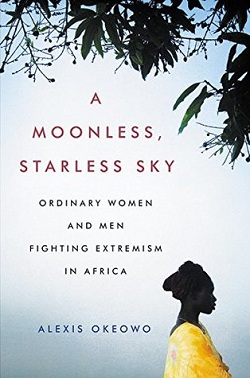
Summary
The sources describe this work as a piece of narrative journalism that explores the lives of ordinary people resisting religious and cultural fundamentalism in four African countries: Uganda, Mauritania, Nigeria, and Somalia. Author Alexis Okeowo focuses on the “subtler forms of resistance” found in everyday life such as continuing to play sports, maintaining family bonds, or seeking education even when state institutions fail and extremist violence threatens personal liberty. The book is divided into two parts, revisiting each of the four core stories to show the long-term consequences of conflict and the shifting ethics of survival. Okeowo seeks to practice empathy in her reporting, illustrating that despite the extreme circumstances, her subjects remain “alike” to the reader in their pursuit of a “good, sane life”.
Plot Analysis
- Uganda: Eunice and Bosco (LRA Conflict)
- In 1996, fifteen-year-old Eunice is abducted by the Lord’s Resistance Army (LRA) and forced to be the “wife” of Bosco, a nineteen-year-old who was himself kidnapped and trained as a child soldier. They survive years in the bush together and have a son, Edimon.
- After escaping, they reunite in their home village but face severe community stigma. Their son, Edimon, suffers from comatose fits that the parents believe are “cen” (bad spirits) from those they were forced to kill during their time with the LRA.
- Mauritania: Haby and Biram (Anti-Slavery Movement)
- Haby Mint Rabah, born into hereditary slavery, endures decades of forced labor and sexual abuse before being rescued in 2008 by her brother and the activist Biram Dah Abeid.
- Biram, the leader of the IRA (Initiative for the Resurgence of the Abolitionist Movement), gains international notoriety for burning Islamic jurisprudence books that justify slavery. His subsequent imprisonment sparks a massive protest movement among the Haratin (slave class), eventually leading to his release and a run for the presidency.
- Nigeria: Elder and Rebecca (Boko Haram Insurgency)
- Abba Aji Kalli (known as “Elder”) is a civil servant in Maiduguri who joins and eventually leads the Civilian Joint Task Force (CJTF) to hunt Boko Haram militants, even turning in his own nephew to the military.
- Rebecca Ishaku is one of the schoolgirls kidnapped from Chibok in 2014. She escapes on the night of the abduction by jumping off a moving truck and hiding in the forest. She eventually moves to Abuja to continue her education despite her trauma.
- Somalia: Aisha (Basketball and Al-Shabaab)
- Aisha is a teenager in Mogadishu who refuses to quit playing basketball despite death threats and direct confrontations from al-Shabaab militants.
- She eventually becomes a team captain and leads her team to a national tournament in Garowe, resisting religious clerics’ demands that women should not participate in sports.
Setting
- Northern Uganda: Described as a “sheet of green” and “fertile land” that simultaneously provides shelter and camouflage for rebels.
- Mauritania: A “sand-swept” and “vast desert landscape” where the “emptiness” allowed slavery to remain hidden for centuries.
- Northeastern Nigeria: Specifically Maiduguri, a city transformed by the insurgency into a zone of “sandbagged bunkers and security checkpoints”.
- Somalia: The city of Mogadishu is depicted as a place where every building is “saturated with bullet and shell holes,” yet its people remain resilient and continue to frequent beaches and restaurants.
Themes
- Resistance and Agency: The central theme is the power of ordinary individuals to fight extremism through the preservation of their way of life.
- The Ethics of Survival: The sources explore the “murky in-between” of choices made under duress, questioning what a person is allowed to do (such as apostasy or violence) to stay alive.
- Transgenerational Trauma: Highlighted through “secondary trauma,” where children (like Edimon) absorb the psychological symptoms and nightmares of parents who survived extremist violence.
- Identity and Belonging: Okeowo uses her own background as a Nigerian-American to explore the feeling of being an “outsider” in both America and Africa.
Characters
Major Characters
- Eunice: A “thoughtful girl” and LRA survivor who fights to keep her family together.
- Bosco: A former child soldier and LRA commander struggling with guilt and his son’s illness.
- Haby Mint Rabah: A former slave who becomes “unabashedly outspoken” after gaining her freedom.
- Biram Dah Abeid: An “unusually fearless” abolitionist who uses provocative tactics to challenge the ideology of slavery.
- Elder (Abba Aji Kalli): A “wiry, energetic” vigilante leader who values honesty above family ties.
- Rebecca Ishaku: A “shy but luminous” Chibok survivor who refuses to let Boko Haram stop her from becoming a lawyer.
- Aisha: A “pugilistic” Somali basketball player who views the sport as “complete liberty”.
Minor Characters
- Edimon: Eunice and Bosco’s son, believed to be possessed by the spirits of those his parents killed.
- Leila: Biram’s supportive wife who helped build their home while he was in prison.
- Saraye: Rebecca’s friend who was too afraid to jump off the truck during the Chibok kidnapping.
- Nasro Mohamed: Aisha’s coach, a former star player from Somalia’s peaceful pre-war era.
- Sister Rachele Fassera: The nun who followed LRA rebels into the bush to negotiate the release of 109 schoolgirls.
Literary Devices
- Metaphor: The title, “A Moonless, Starless Sky,” serves as a metaphor for the profound darkness and lack of guidance felt by those living under extremist regimes.
- Imagery: The sources use vivid sensory details, such as the “rust-colored earth” of Uganda or the “bullet-pockmarked” ruins of Mogadishu, to ground the political conflict in physical reality.
- Juxtaposition: Okeowo contrasts scenes of extreme violence with scenes of normalcy, such as a Somali woman asking for “organic meat” at a restaurant in a war zone.
- First-Person Reflection: The author interweaves her own family history and experiences with racism in the American South to provide a personal context for the extremism she reports on in Africa.

